The best time to visit Jaipur is from October to March. That is the short answer, and it is the one I give most guests. But the right month for you depends on what you want from the trip: the most comfortable weather, a festival, quieter monuments or lower hotel prices.
I guide in Jaipur all year round, so here is how each season and each month actually feels on the ground, and how to plan your days around it.
The short answer
- Best weather: November to February. Sunny, dry days that are comfortable for walking.
- Best balance of weather and crowds: October and March. Still pleasant, a little warmer, and less busy.
- Quietest and cheapest: April to September. You trade comfort for space, with heat from April to June and rain from July to September.
Jaipur's three seasons
Winter (October to March): the main season
This is the time to walk the forts, the old city and the bazaars without watching the clock. Days are sunny and dry. In December and January the early mornings and nights are properly cold, so carry a warm layer for sunrise walks and evening drives.
Winter is also the peak season. Hotels fill up and the big monuments get busy by late morning, so book early and start your days early.
Summer (April to June): hot and dry
The heat builds quickly from April, and in May and June the afternoons are extremely hot. Jaipur is still possible in summer if you change the shape of your day: go out at sunrise, stay indoors from about noon to 4 PM, and go back out for the evening. The upside is fewer visitors and lower hotel rates.
Monsoon (July to September): rain and green hills
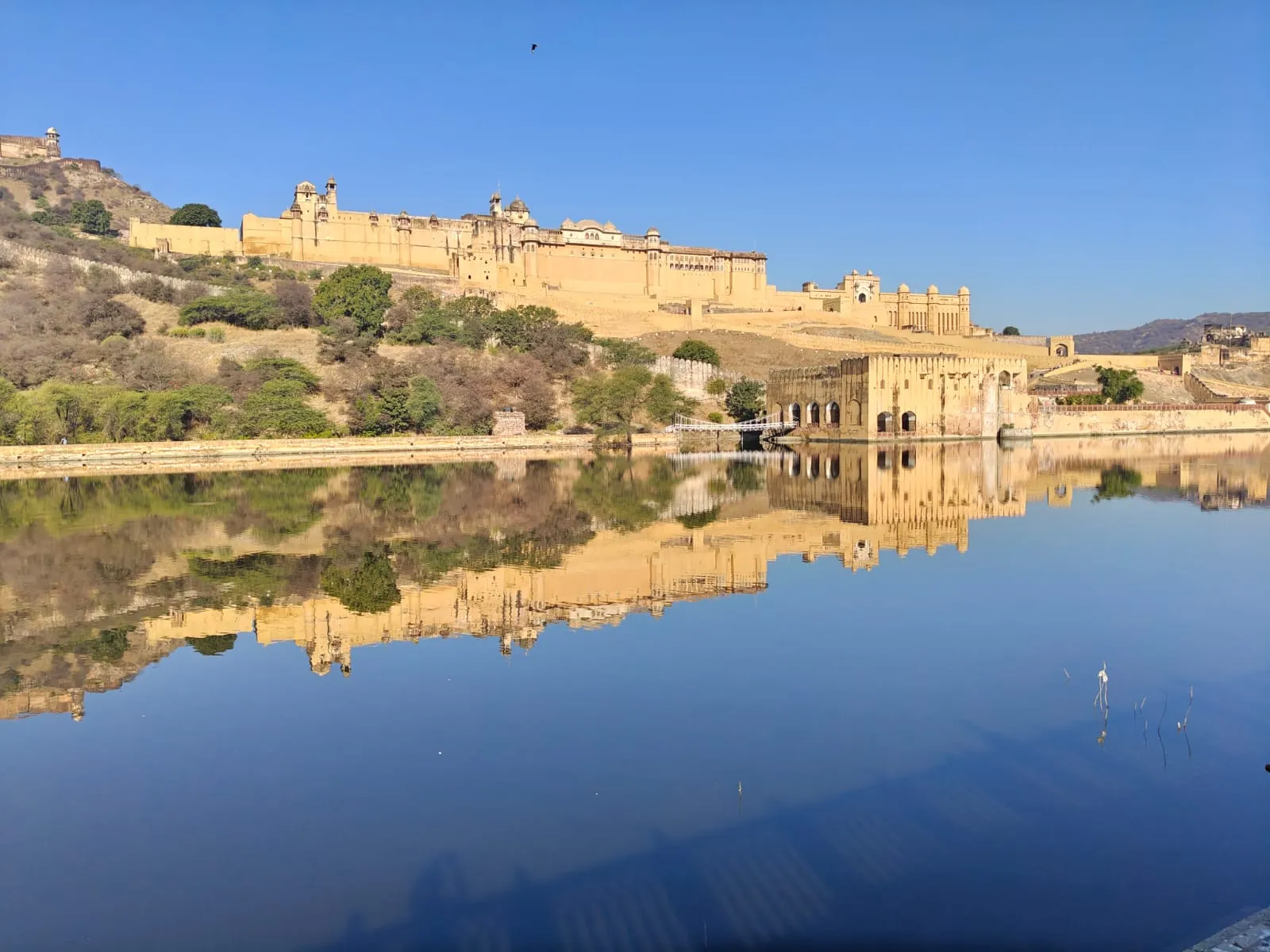
The rains usually arrive as short, heavy showers rather than all-day rain. It is humid, but the hills around Amber turn green, the lakes fill up and the monuments are at their quietest. If you like a calmer city and don't mind getting a little wet, it is an underrated time to come.
Jaipur month by month
| Month | What it feels like | Worth knowing |
|---|---|---|
| January | Sunny days, cold mornings and nights | Kite festival on 14 January; the Jaipur Literature Festival usually takes place in January |
| February | Pleasant and warming up | One of the most comfortable months of the year |
| March | Warm afternoons | Holi; Gangaur in March or April |
| April | Hot | Plan for mornings and evenings only |
| May and June | Very hot | Quietest monuments and lowest prices |
| July and August | Monsoon showers, humid | Teej festival; green landscapes around Amber |
| September | Rain easing, still humid | Good value before the season starts |
| October | Warm days, cooler evenings | The season begins; Diwali falls in October in some years |
| November | Ideal weather | Diwali falls in November in some years; busy |
| December | Cool days, cold nights | Christmas and New Year are the busiest weeks, so book early |
The best time to visit Jaipur for festivals
A festival can change your whole experience of the city:
- Makar Sankranti (14 January): the kite festival. Every rooftop in the old city fills with people and the sky fills with kites.
- Jaipur Literature Festival (January): writers and readers from around the world.
- Holi (March): the festival of colours.
- Gangaur (March or April) and Teej (July or August): traditional Rajasthani festivals with processions through the old city.
- Diwali (October or November): the festival of lights, when the bazaars and buildings are lit up.
Many festival dates follow the lunar calendar and change every year, so check the dates before you book flights.
The best time of day matters just as much
In Jaipur, the hour you visit a place can matter more than the month. A few rules I follow with guests:
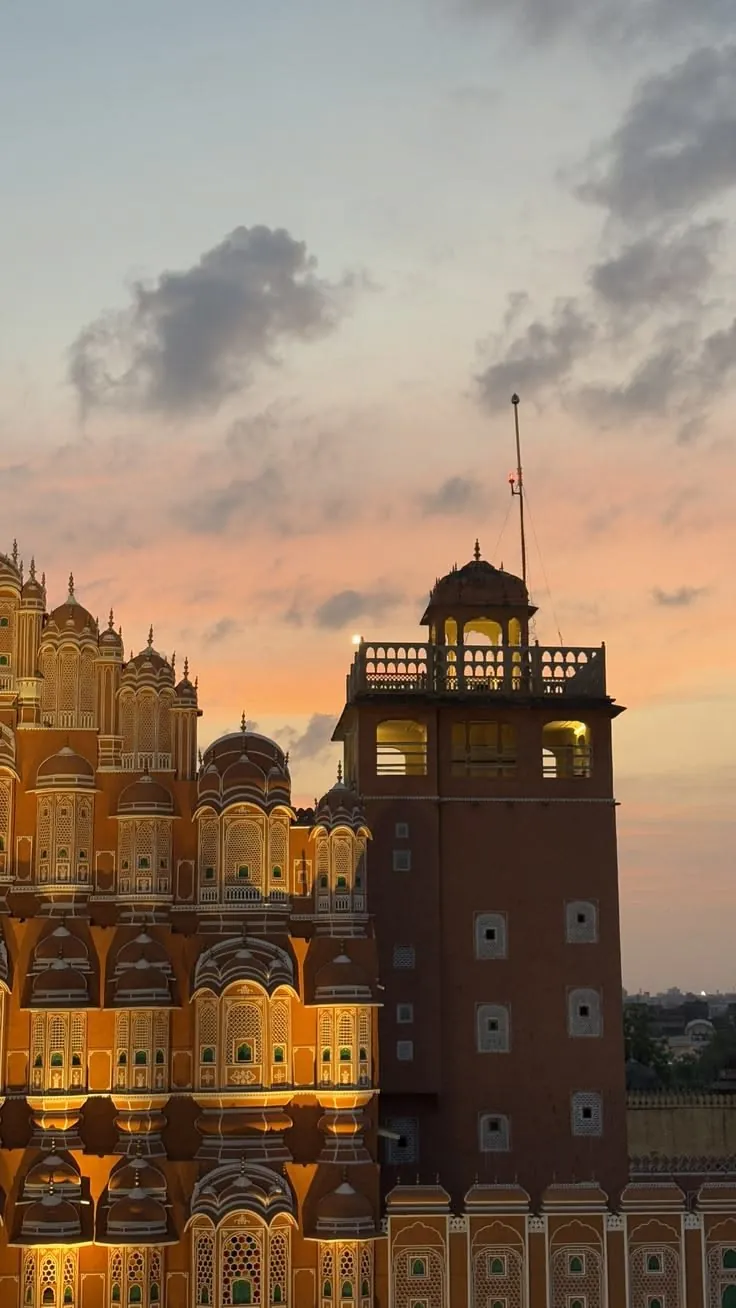
- Hawa Mahal at sunrise. The facade faces east, so it catches the first light, and the street in front is still quiet. A sunrise walk through the old city is the easiest way to see it like this.
- Amber Fort before 10 AM. Cooler stone, fewer people and softer light.
- Jantar Mantar in the morning. There is very little shade, so avoid the middle of the day, especially in summer.
- Nahargarh Fort at sunset. The best view over the city. Get there about an hour before the sun goes down.
- The monuments after dark. Albert Hall, Patrika Gate and Hawa Mahal are all lit up at night. Our guide to things to do in Jaipur at night has the details.
If you only have a day, my one day in Jaipur itinerary puts all of this in order.
If you can only travel in summer or monsoon
Go anyway, but plan around the weather:
- Start early and finish late, and keep the hottest hours for rest or indoor visits.
- Wear light cotton clothes, carry water and use a car with air conditioning between stops.
- In the monsoon, carry a small umbrella and leave some flexibility in your plans.
With Raah, we adjust the timings of our experiences in summer and monsoon to the cooler hours of the day.
Planning around peak season
From November to February, and especially around Christmas, New Year and Diwali, book your hotel and guide well in advance. Prices are higher in these weeks, so if budget matters, our Jaipur trip cost guide shows what to expect. If you are still deciding how long to stay, read how many days in Jaipur.
Reading in Spanish? Here is our guide to la mejor época para viajar a la India.
Frequently Asked Questions
From Our Guests
— The Raah Journal, Jaipur