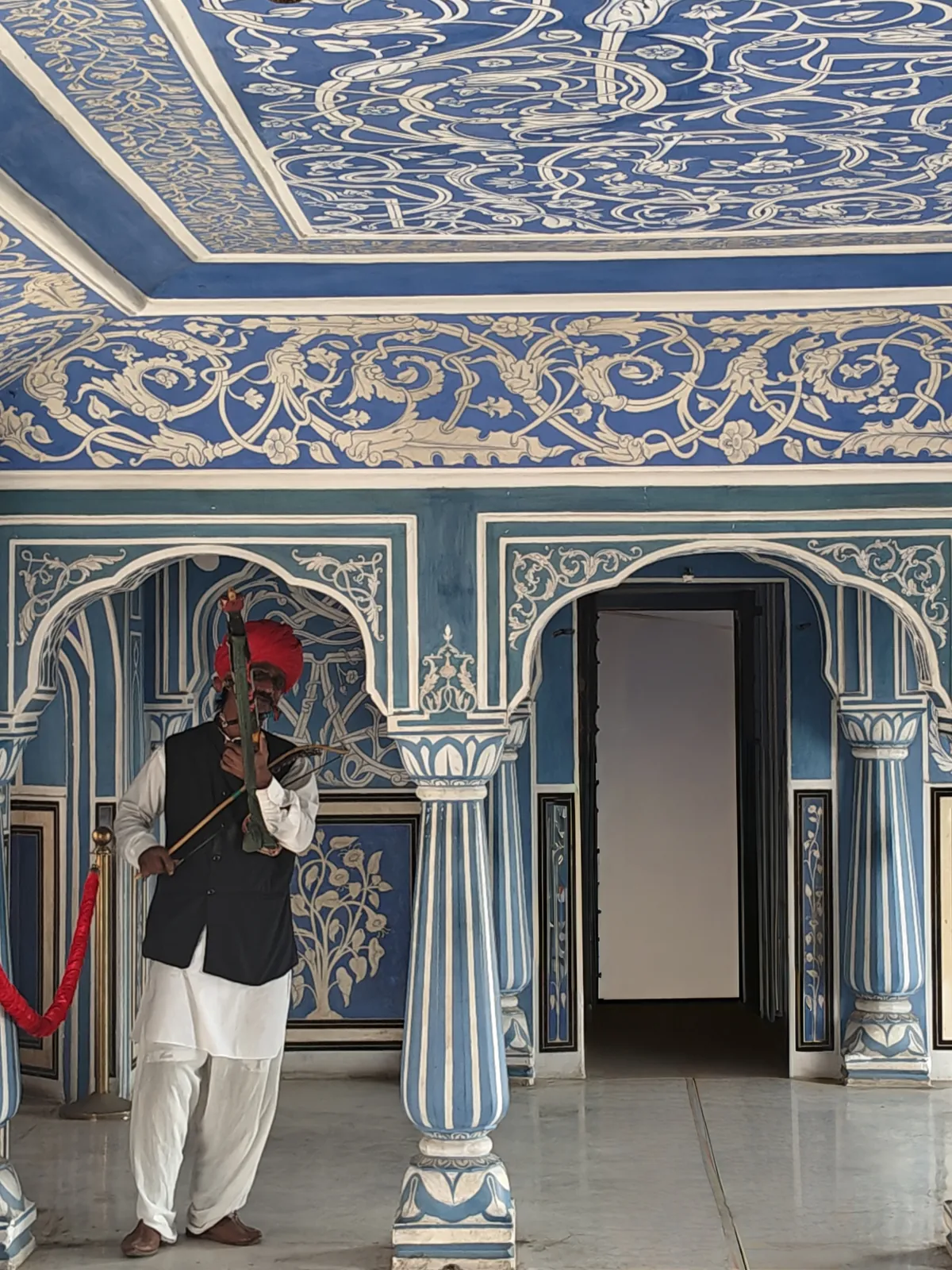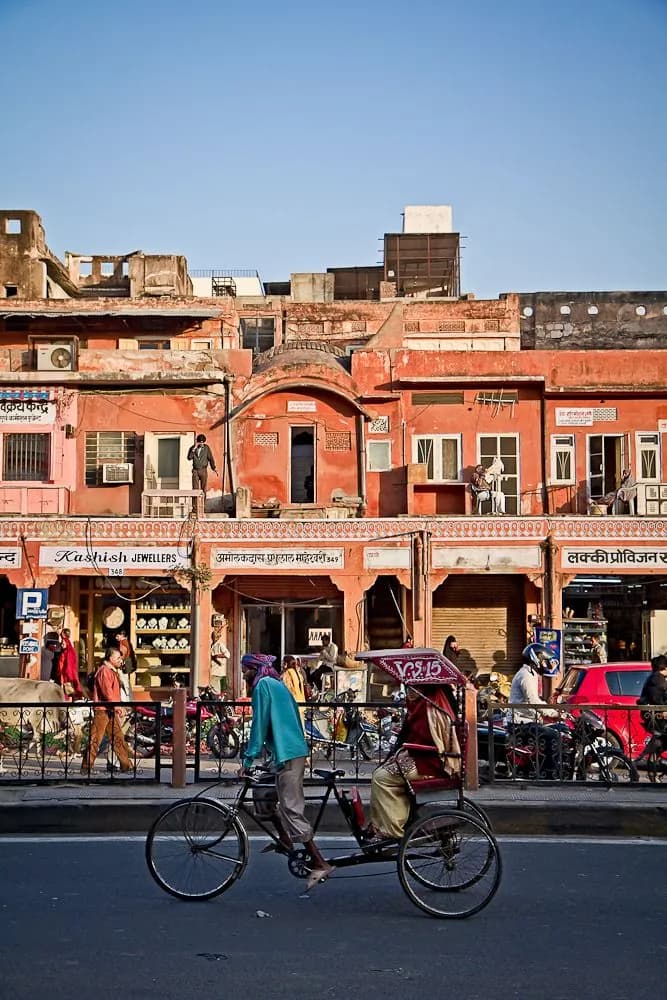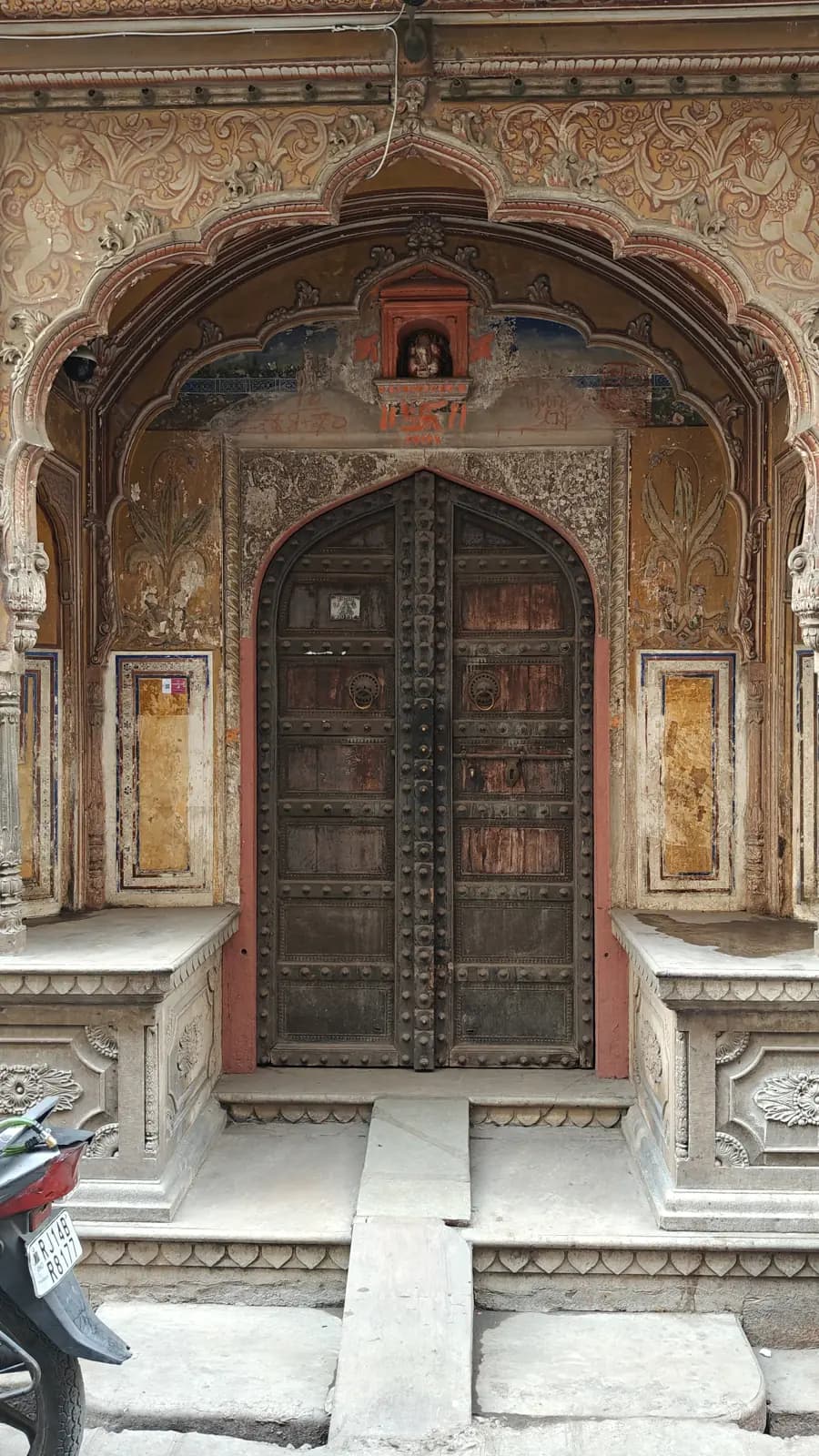
Three days is the ideal window for a first visit to Jaipur — enough time to move through the city's history, its streets, and its surrounding hills without feeling rushed, but tight enough to keep the trip focused. For a broader overview of what Jaipur offers beyond this specific plan, see our complete guide to things to do in Jaipur. Below is a complete day-by-day plan built around Raah's own experiences, plus practical guidance on where to base yourself and how to get around.
Day 1: Morning to Evening Flow
Start early. Jaipur's most atmospheric hours happen before most visitors are even awake, and building your first day around them sets the tone for the rest of the trip.
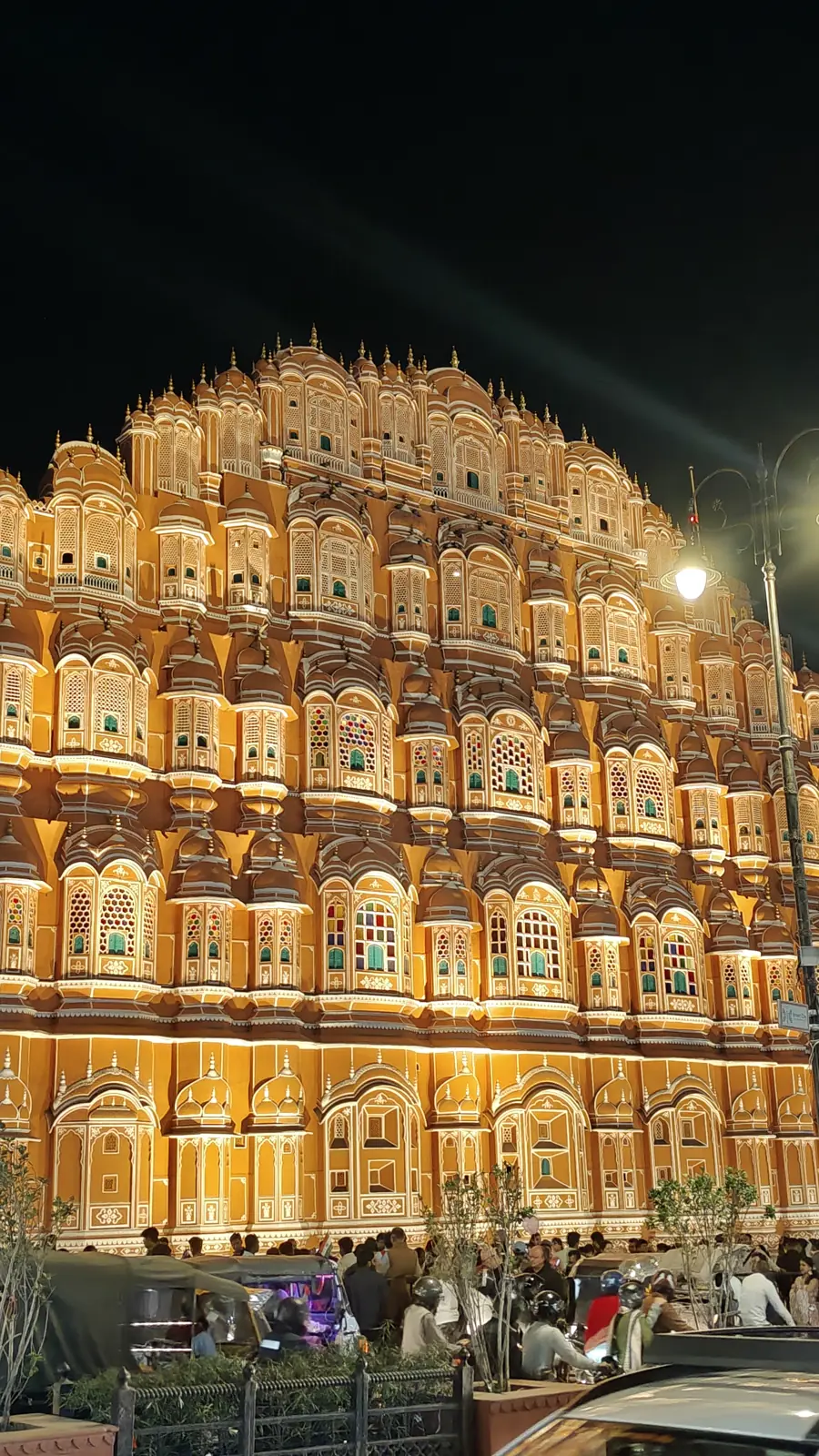
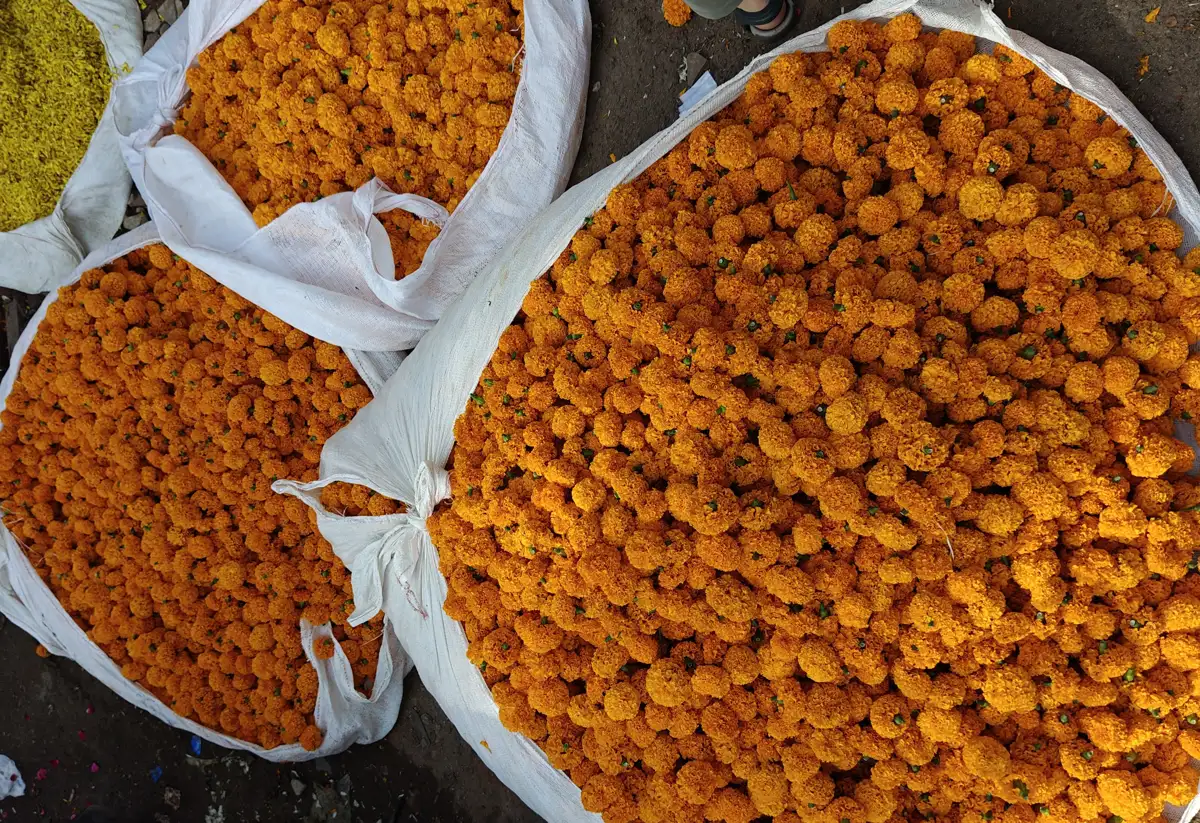
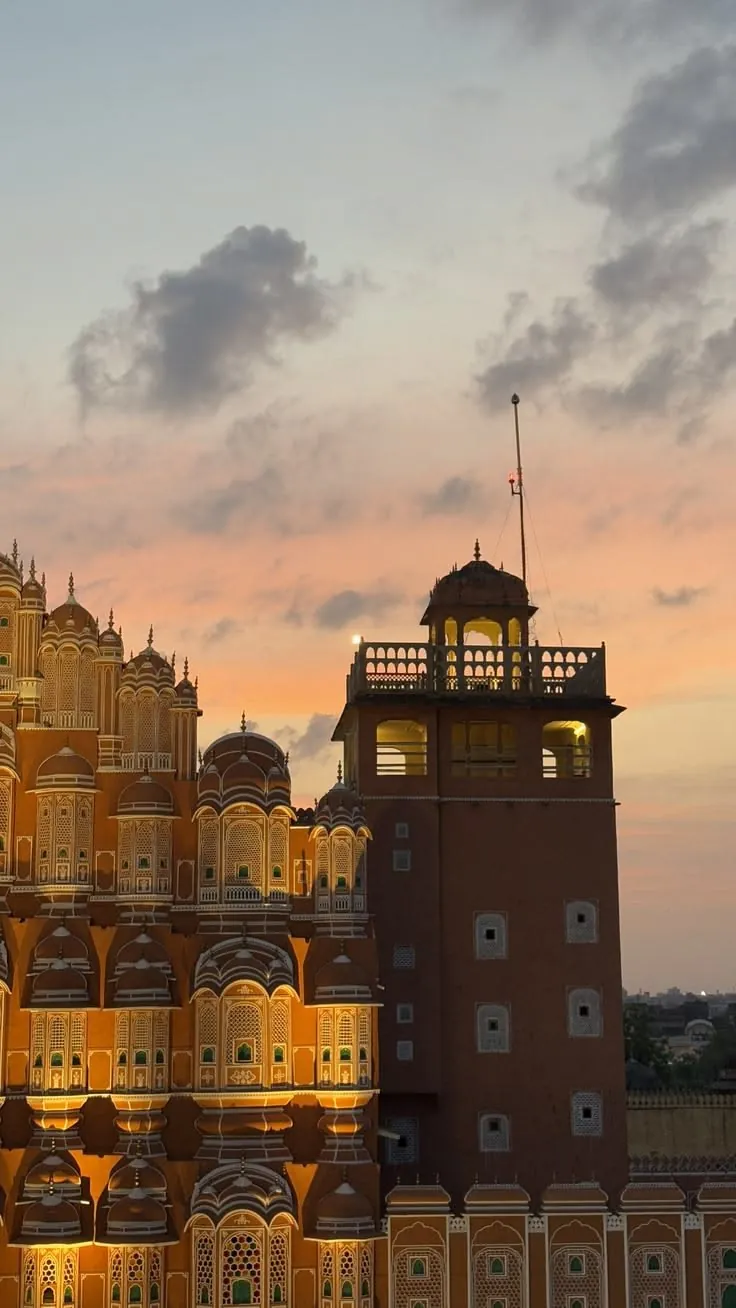
Morning (5:00 AM – 7:30 AM, or 8:00 AM – 10:30 AM): Jaipur at Dawn Begin at the flower and vegetable market as it comes to life, move through the milk market as countryside vendors arrive by bicycle, and join the morning rituals at Govind Dev Ji Temple — one of the city's most revered shrines. The walk passes Hawa Mahal just as the first light hits its façade, ending with breakfast and chai at a local eatery. Two starting windows are available, so you can choose the earlier, quieter option or a slightly later start depending on your own schedule — either way, you'll still have the whole day ahead.
Midday: Rest, or a Second Heritage Walk Use the late morning to recover, grab lunch, and explore independently — Bapu Bazaar and Johari Bazaar are both within the old city and worth a slow wander for textiles, jewelry, and traditional footwear. If you'd rather stay in guided mode, this slot also works well for The Crown of Jaipur (10:30 AM – 1:00 PM), which connects Hawa Mahal, Jantar Mantar, and City Palace into one continuous story about the city's founder.
Evening (4:00 PM – 7:00 PM): Beyond the Pink As the day cools down, the old city's character shifts. This walk moves through the bazaars and artisan lanes as shops light up for the evening, with a curated street food trail — pani puri, kachori, jalebi, lassi, and kulfi — running throughout. It's a natural way to close a long first day: slower pace, lower light, and a genuine taste of the city rather than another landmark to photograph.
Day 2: Heritage & Amber
Day two moves out of the old city and into Amber — the seat of Jaipur's former rulers, and a very different landscape from day one's markets and temples.
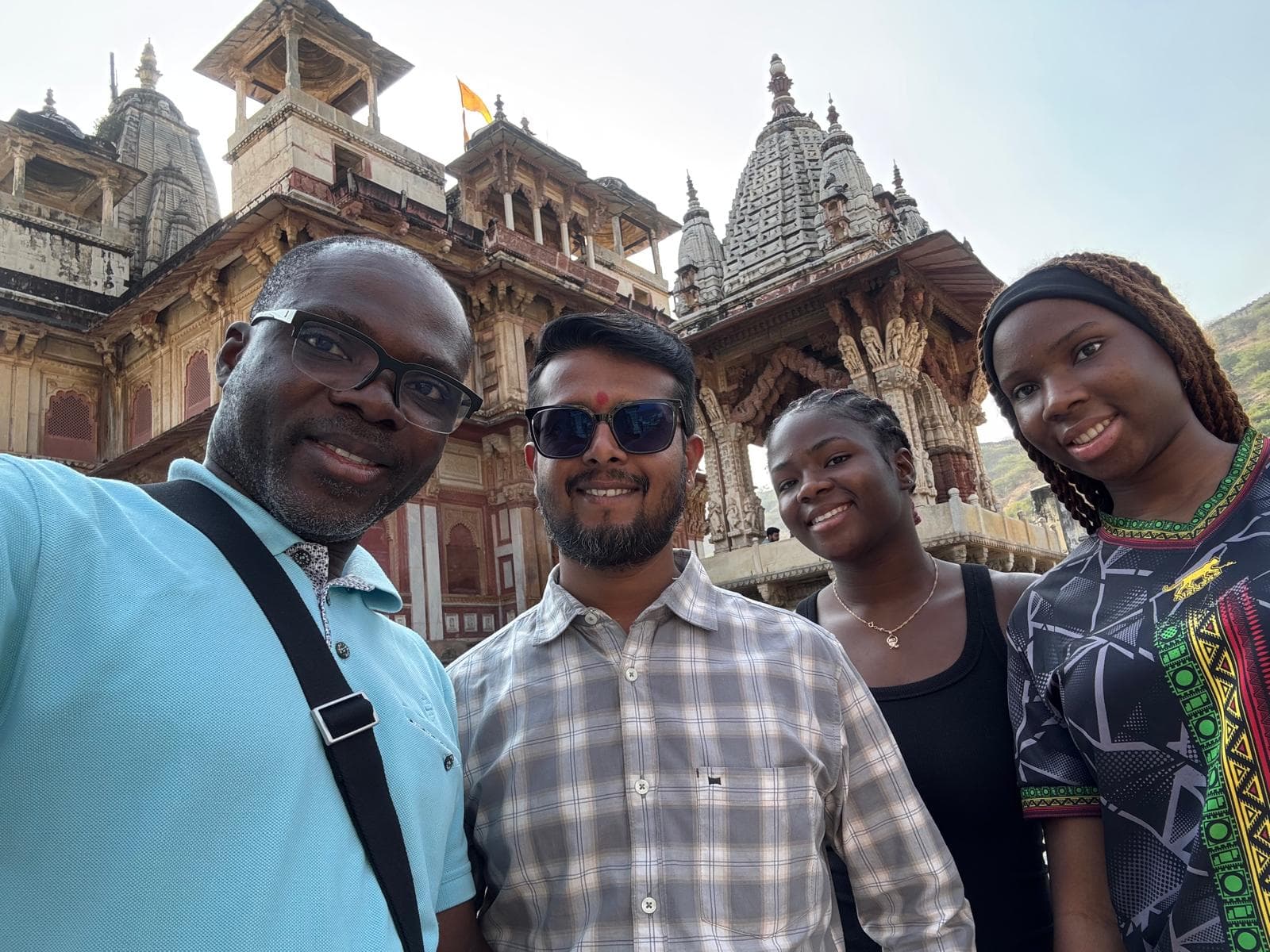
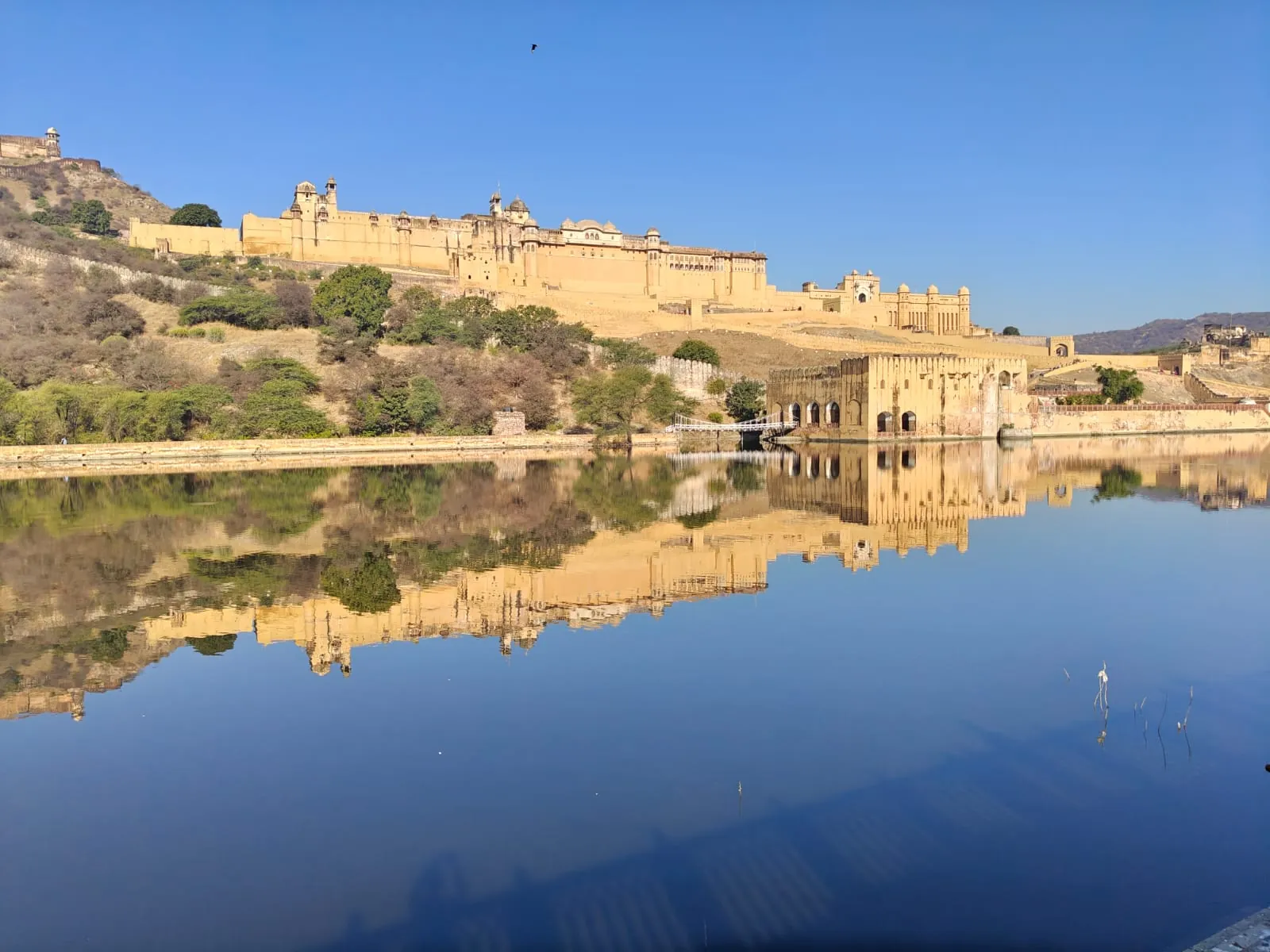
Morning (9:00 AM – 12:00 PM): The Ridge & Ramparts Meeting at the Amber Fort View Point by Maota Lake, this walk goes well beyond the fort itself — into the town of Amber, past the 16th-century Jagat Shiromani Temple, ancient stepwells once used as a neighborhood gathering point, and through a historic tunnel once reserved for the royal family, ending at Jaigarh Fort and its enormous cannon.
Afternoon: Lunch, Then Artisan's Jaipur or Rest Amber town has a handful of local eateries worth stopping at after the morning walk. If you have the energy, a short visit to Jal Mahal (the Water Palace) on the way back into the city is a worthwhile photo stop — it sits directly on your route back from Amber and needs no separate booking.
Back in the city, Artisan's Jaipur (1:30 PM – 4:00 PM) introduces you to the city's craft world — understanding how Jaipur stands among the world's finest shopping centers through the artisans who make it so.
Evening (4:30 PM – 8:30 PM, October–March): The Blue Hour Starting at Jal Mahal, this experience covers the city from an open-air jeep as the light fades — past illuminated Nahargarh Fort, Amber Fort, and the central bazaars. After a full day on foot, this is a comfortable, scenic way to end day two without more walking. In the rare event of rain, the jeeps switch to a covered roof, so this runs reliably regardless of season.
Day 3: Culture & Departure
Your third day starts in the hills around Amber and ends in the lanes of the old city.
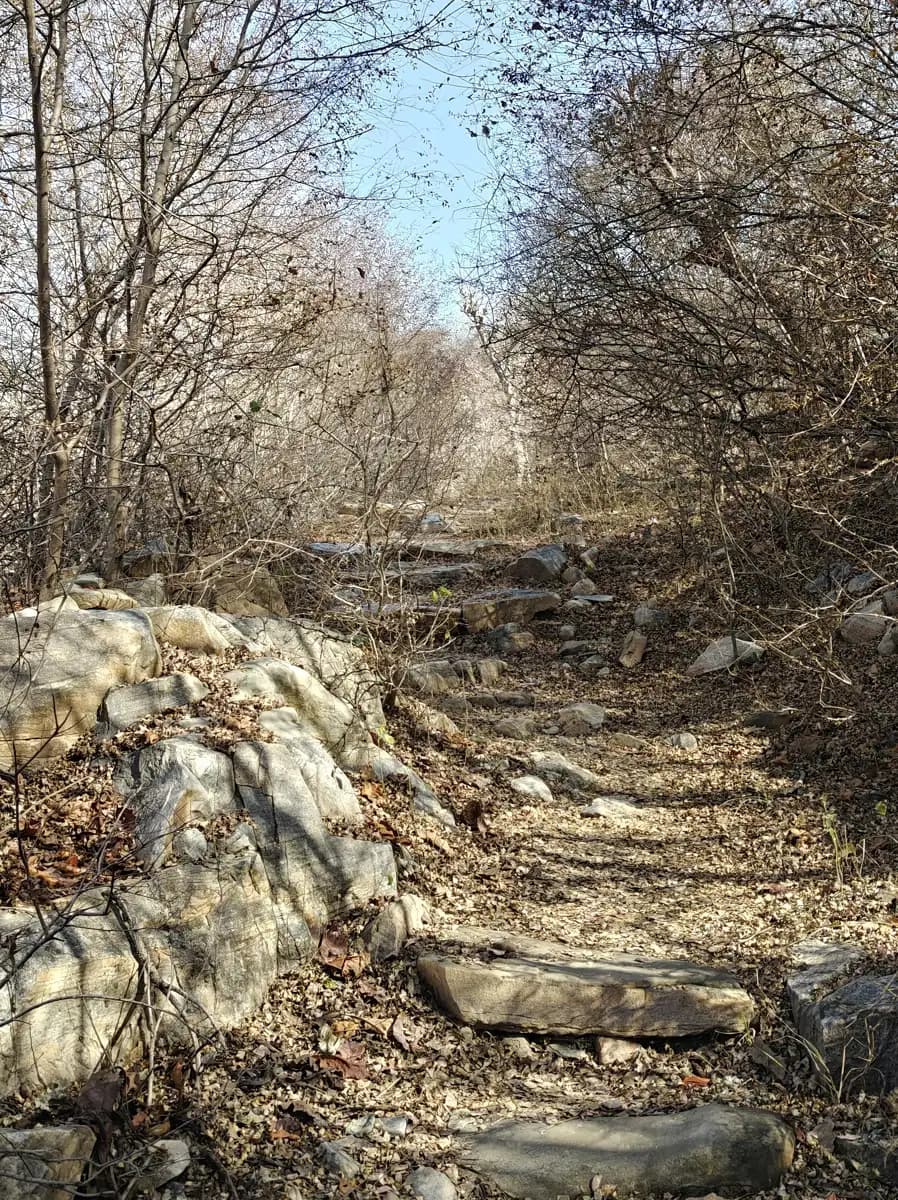
Morning (6:00 AM – 10:30 AM): The Lost Kingdom Meeting at Kheri Gate near the Anokhi Museum, this is a genuine hike through the Aravalli Hills surrounding Amber — past forgotten fortifications, a hillside shrine to Lord Hanuman, and a secluded Shiva temple, ending at a viewpoint overlooking Amber Fort and the valley below. It's the most physically active of Raah's experiences and a strong way to see a side of Jaipur that most three-day visitors never find.
Afternoon: Free Time Use the afternoon as buffer time for packing, last-minute shopping, or a relaxed lunch. If you skipped it on Day 2, Artisan's Jaipur (1:30 PM – 4:00 PM) fits here too — a walk through the lanes of Jaipur's jewellers, brass and copper workers, lac bangle makers and marble carvers.
Evening (5:00 PM – 7:30 PM): Living the Walled City If you're staying one more night, close your trip with a walk through Sireh Deori Bazaar, past centuries-old temples, the restored Sawai Man Singh townhall, and the residential lanes where Jaipur's everyday life continues largely unseen by tourists.
Where to Stay in Jaipur
For a walking-and-experience-focused itinerary like this one, staying within or close to the old walled city puts you nearest to Jaipur at Dawn, Beyond the Pink, and Living the Walled City's meeting points, cutting down on travel time each morning and evening. Well-located options include Jas Vilas and Shahpura House in Bani Park, Jai Mahal Palace in Civil Lines, Rambagh Palace, Man Singh Palace, Narayan Niwas on J.L.N. Marg, Golden Tulip on M.I. Road, and ITC Rajputana in Gopalbari — along with Johri, Abode, and Padma, all within the walled city itself.
If you'd prefer easier access to Amber for Day 2's early start, some travellers base themselves closer to that side of the city instead — options like Taj Amer, Leela Palace, Raffles, ITC Mementos, and Khasbagh, alongside more budget-friendly choices nearby — though this typically means more travel time back into the old city for Day 1 and Day 3's experiences, a trade-off worth weighing against your own priorities.
Trending boutique stays: Abode, Padma, Johri, Lalee, Narayan Niwas, Royal Heritage Haveli, 28 Kothi, Samode Haveli, Villa Paladio, Dilip Kothi (A Royal Boutique Luxury Suites), Namli Haus, and Niravi.
Best budget-class hotels: Jas Vilas, Umaid Bhawan (A Royal Heritage Style Boutique Hotel), Alisar Haveli, Jai Niwas, Hyatt Place Malviya Nagar, V Sarovar Portico on M.I. Road, Surya Villa, Shahpura House, Dera Rawatsar, and Brij Castle.
Top super-luxury brands: Rambagh Palace, Raj Vilas, Raffles, ITC Mementos, Leela Palace, Raj Palace, RAAS Raj Mahal Palace, Sawai Man Singh Mahal, Taj Amer, and ITC Rajputana.
If three days doesn't quite match your schedule, see our guide to how many days you actually need in Jaipur for shorter and longer alternatives built the same way.
Getting Around: Transport Tips
Raah can arrange transport between meeting points at an additional cost, depending on group size — it's worth flagging this in advance if you'd like hotel pick-up and drop-off, or transport for the full day.
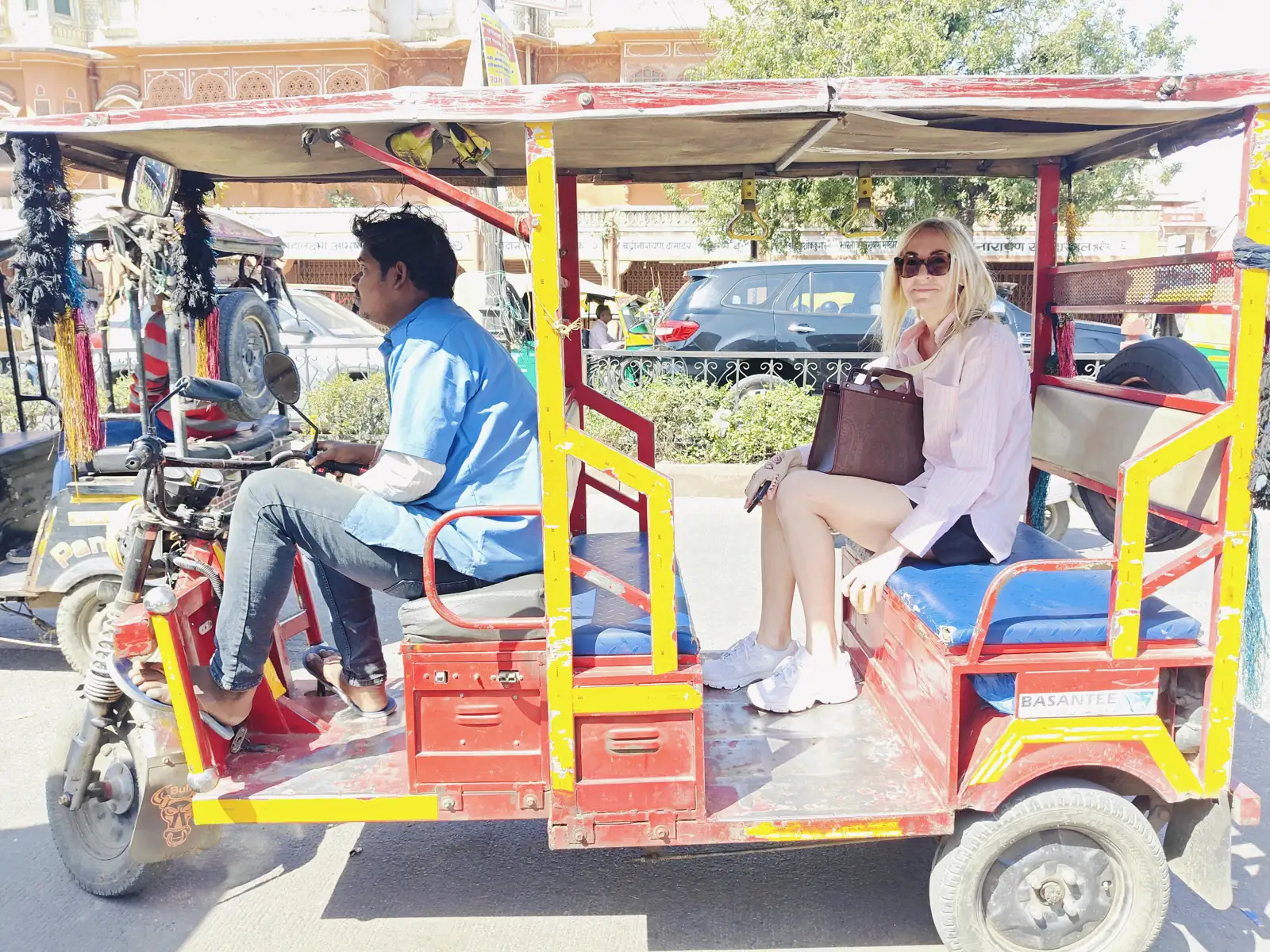
Outside of that, auto-rickshaws are the most common way to get around Jaipur for short distances, and ride-hailing apps (Uber and Ola both operate in the city) offer a more predictable, fixed-fare alternative if you're not comfortable negotiating an auto fare directly. For the distances in this itinerary — particularly the trip out to Amber on Day 2 — a pre-booked cab or ride-hailing app is generally more comfortable than an auto-rickshaw given the distance involved.
Ready to plan your trip? Get in touch and we'll help you build the right itinerary for your dates.
You can also compare all experiences and combo journeys before you write to us.
Frequently Asked Questions
From Our Guests
— The Raah Journal, Jaipur